
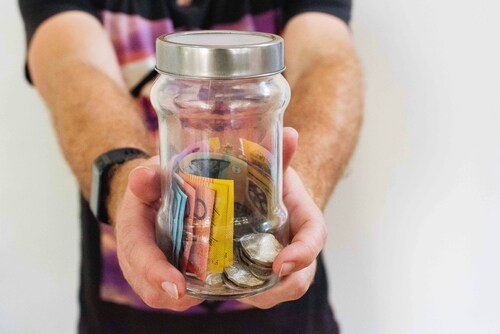
Charitable donation tracking is like a gym membership; people intend to use it at first and then fall off the wagon until January when they panic. However, with charitable donations, no physical transformation is lost. Instead, thousands of dollars essentially go down the drain at tax time.
For most people, the same routine happens every April. Someone settles down to finish taxes, remembers all the charitable donations they made throughout the year, and spends the next four hours digging through emails for confirmations, bank statements for amounts, and wracking their brain for which bag of clothes went to which thrift store. Half of the receipts are lost; the other half are crumpled in obscure drawers. That cash donation at the school bake sale? Good luck substantiating that.
However, charitable donations tracking needs to happen but shouldn’t be extensive or complicated or time consuming. It just needs to happen every time someone gives or donates something. Creating a routine and a system takes ten minutes throughout the year and saves thousands down the line.
Why We Forget Charitable Donations
People forget about charitable donations because they think they’ll remember. Someone donates $50 to a natural disaster relief fund in March; they donate three bags’ worth of clothes in June; they donate a check to their alma mater in September. All are separate instances, so they figure they’ll either just be able to sort it all out down the line come tax time or, hopefully, they’ll remember some of it.
But memory isn’t reliable. Was that natural disaster donation $50 or $75? Where did those bags of clothes go, and were they in decent condition enough to get an appraisal of $75 each bag? Did that check clear in December or did it take a couple of months to be cashed?
The IRS doesn’t care about good intentions. If someone didn’t document their charitable donations, they didn’t happen. Even if someone actually gave the money; even if the charity received it, they’re not disputing it. But without documentations like receipts and acknowledgments, it gets denied. No loopholes, no technicalities, just how things work.
What Needs To Be Documented
Charitable donations tracking isn’t about creating extensive files that get out of control. It’s about documenting several pieces of information every time cash or items leave their possession for a good cause.
For cash donations, this means a date and a dollar value and a picture of the organization name. Anything under $250 needs either bank records for substantiation or receipts. A simple charge on a credit card bill works (if that charge was made). An email confirmation from the organization works (if it was received). Even a cancelled check works. It shows that money left possession, dated from that day onward, and it was to a legitimate organization.
However, once donations exceed $250 or more, things get strict. At this point, a written acknowledgment from the charity is needed, this needs to list the donation amount, date, and that nothing was given in reciprocal exchange for the donation. Most charities give these automatically for larger gifts, but if this doesn’t happen, it’s up to donors to request them before taxes are filed.
Non-cash donations take things one step further: donations in clothing and items need to document what they are, their conditions, and some fair market value that’s reasonable when applied.
People get in trouble here because they either over-value everything they had used, or underestimate everything because they’re not “worth much.” But fair value is what the IRS determines someone would actually pay for them in their current state at a thrift shop.
Creating a System That Works
The best system takes little time to keep track of, and complicated ways become too overwhelming over time. The easiest simplest ways will stick with people.
With online donations (which means most donations done today), the effort can almost be cut out all together. Many people now use tools like the Thats A Write-Off donation tracking app that handle documentation and filing automatically as donations happen, rather than trying to piece everything together down the line. The goal is just one central organization where everything is kept together, be it on an application or a specific folder on a computer (or even a physical folder).
When someone makes an online donation, they should save that donation confirmation email directly into where ever donation records are kept, don’t leave it in that person’s email box thinking it’ll be easy to find later down the line after it’s deleted. Emails get buried, deleting emails happens all the time. That three minutes can save thirty minutes any time later on down the line if it’s found right away.
For physical donations to thrift stores or centers instead, this takes a little more but not much more effort, still not complicated at all. Before bags are loaded with clothes or household items, take pictures; this helps document what’s going and what condition it’s in. Then make a list, even if it’s rough, “2 bags of clothing; 1 bag of kitchen items” is better than nothing, but more specific “10 shirts; 5 pants; 5 kitchen gadgets” is better.
At the organization where it’s donated (thrift store or charity center), obtain a receipt; every legitimate organization can provide this. Then take a picture with it on their phone for access down the line and also keep the physical paper receipt with them at home as back up; having it digitally is better than having nothing if it gets lost over time.
Valuing Non-Cash Donations Correctly
This is how people get scrutinized and either lose out on money or get themselves in trouble. The IRS needs fair market value, not what someone paid for something brand new five years ago because that’s what they’d want, but fair market value; meaning worth what people would actually pay for them in their current state at a thrift store.
For example: that designer coat bought five years ago for $300? It’s not worth $300 anymore, even if barely worn. It’s worth $25 to $50 depending on condition and brand. Those kitchen items bought new, yeah they’re worth maybe three dollars each now max. But this isn’t being pessimistic; it’s being realistic.
The IRS publishes guidelines which give reasonable valuation ranges for everyday items, and it’s basically published by Goodwill and Salvation Army; it’s free and approved by the IRS so there’s no question, an appraisal will give range options. A man’s suit in good condition is worth $15 to $60; a coffee maker: $5 to $15, that range is reasonable and defensible.
Condition matters more than people think; an item in “good” condition means it has some wear but is perfectly usable whereas “like new” means there are no flaws seen whatsoever. An item cannot be appraised as “excellent” if it’s faded or pilled or showing significant wear, it may still work but that doesn’t help.
How To Handle Different Types of Donations
Monthly reoccurring donations should be captured each quarter just to review expenses; charitable organizations appreciate regular contributions if they’re automatic and by assessing quarterly at least once bi-yearly (June 1), bills can be noted for cumulative totals even if notes get adjusted once these organizations send annual statements as well.
Special event situations can get tricky because sometimes something is received in return, a gala benefit ticket is not $100 cash donation if the meal and entertainment provided value; if the charity documents what the portion is deductible, that’s great but if not, ascertain on one’s own what was received and subtract it from the cost of attendance price.
However, donations of vehicles and other high-value possessions need additional assessment, a vehicle valued over $500 requires additional forms by tax time; any additional worth over $5,000 requires an appraisal; this doesn’t happen for many but when it does it’s serious business.
When To Review Donation Information
Nobody wants to wait until December to create documents as better than waiting until April, but doing so is tough for memories fade and receipts lose relevance, and it’s better to assess quarterly, or at least semi-annually (once yearly at least).
Set reminders for June 1 and December 1 quarterly, every June 1 assess bank statements for credit card statements/donations made January until recently, remember what was documented and file away any confirmations, find proper documentation to ensure every donation made in this time frame is properly documented to catch anything missing from organizations before it’s too late.
It’s also good for tax planning if someone assesses halfway through the year because if they’ve already donated a substantial amount, maybe they’re over the standard deduction threshold already (if itemizing). If they’re close, they want to add donations before yearend for better itemizing chances instead of waiting until they’re just under threshold levels as plausible amounts add up to donate that could help mid-year assessments make sense down the line.
Making It Sustainable
It’s important to not create perfect systems, it’s important to create easy systems which require less upkeep that actually exist. Complicated ways become too much over time; easy ones live on.
For someone who does most charitable giving online, donations tracking apps make sense/a dedicated email folder helps/someone who primarily gives with their churches/locally established organizations finds solace in an easy spreadsheet or little notebook instead, the method selected doesn’t matter as much as maintaining consistency as selected.
The ultimate advantage comes during tax time when panicking over missing documentation isn’t needed but instead just giving a folder physical (or digital), already made ahead of time by compiling papers, no hunting down receipts need occur; no trying to reconstruct as memories fade, all support exists either for tax prep assistance or pre-filing assistance self-help satisfaction can bring; this peace of mind means minimal ongoing effort is well worth it, and actual thousands generated through legit deductions only help even more after compiling all legitimate funds owed!